
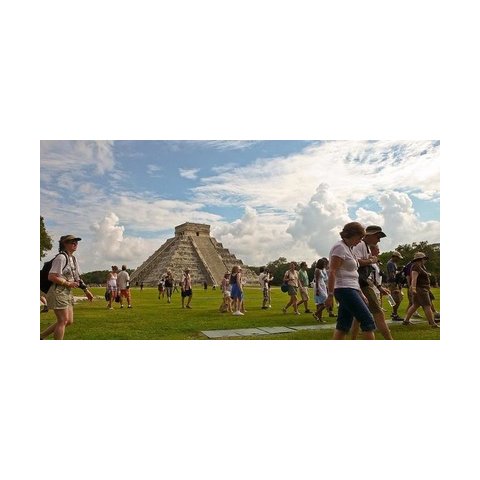
2015-2016 series on HERITAGE AND SOCIAL JUSTICE Why do millions of tourists visit the ancient ruins of India, Mexico, and Cambodia, or Holocaust sites in Europe? What messages do these monumental historical sites offer, and what memories do visitors take home with them? To what political ends do national governments and grassroots movements in countries across the world use the historical landscapes in their territories? Cultural Heritage Diplomacy: How Nations use Historic Sites for Political Ends Tim Winter Research Professor in Cultural Heritage, Deakin University, Melbourne, Australia, President of Association of Critical Heritage Studies Followed by a round-table and public conversation with Concordia University’s Frank Chalk, Director, Montreal Institute for Genocide and Human Rights Studies Erica Lehrer, Canada Research Chair, Museum and Heritage Studies Alison Rowley, Associate Professor and Undergraduate Program Director, History and Jennifer Carter, Director, Program in Museology, UQAM Moderated by Nadine Blumer, SSHRC Postdoctoral Fellow, Centre for Ethnographic Research and Exhibition in the Aftermath of Violence Photo credit: Mike Stenhouse